Your first marathon sounds simple on paper.
Run 42.2 km. Don't stop. Collect medal. Post extremely sweaty photo. Become insufferable about your pace.
Easy, right?
Well... not exactly.
Training for your first marathon is a completely different beast from casually running a few kilometers whenever your motivation decides to show up. There are long runs, recovery days, strength training, pacing, nutrition, injury prevention, tapering and that tiny voice in your head asking, "Why did I sign up for this?"
And somewhere along the way, you might start wondering:
"Do I actually need a running coach to run my first marathon?"
The short answer?
No. But a good coach can make the entire journey a lot more structured, personalized and manageable.
Let's break it down.
First Things First: You Can Train Without a Coach
Thousands of runners complete their first marathon using a training plan, running community or plenty of internet research.
There are loads of beginner marathon training plans available online, and if you're disciplined, reasonably consistent and willing to learn, self-coaching can absolutely work.
But there's a catch.
A generic training plan doesn't know you.
It doesn't know whether your easy run is actually easy, whether you're recovering properly, whether your weekly mileage is too much, or whether that mysterious knee pain is something you should ignore.
Spoiler: don't ignore the mysterious knee pain.
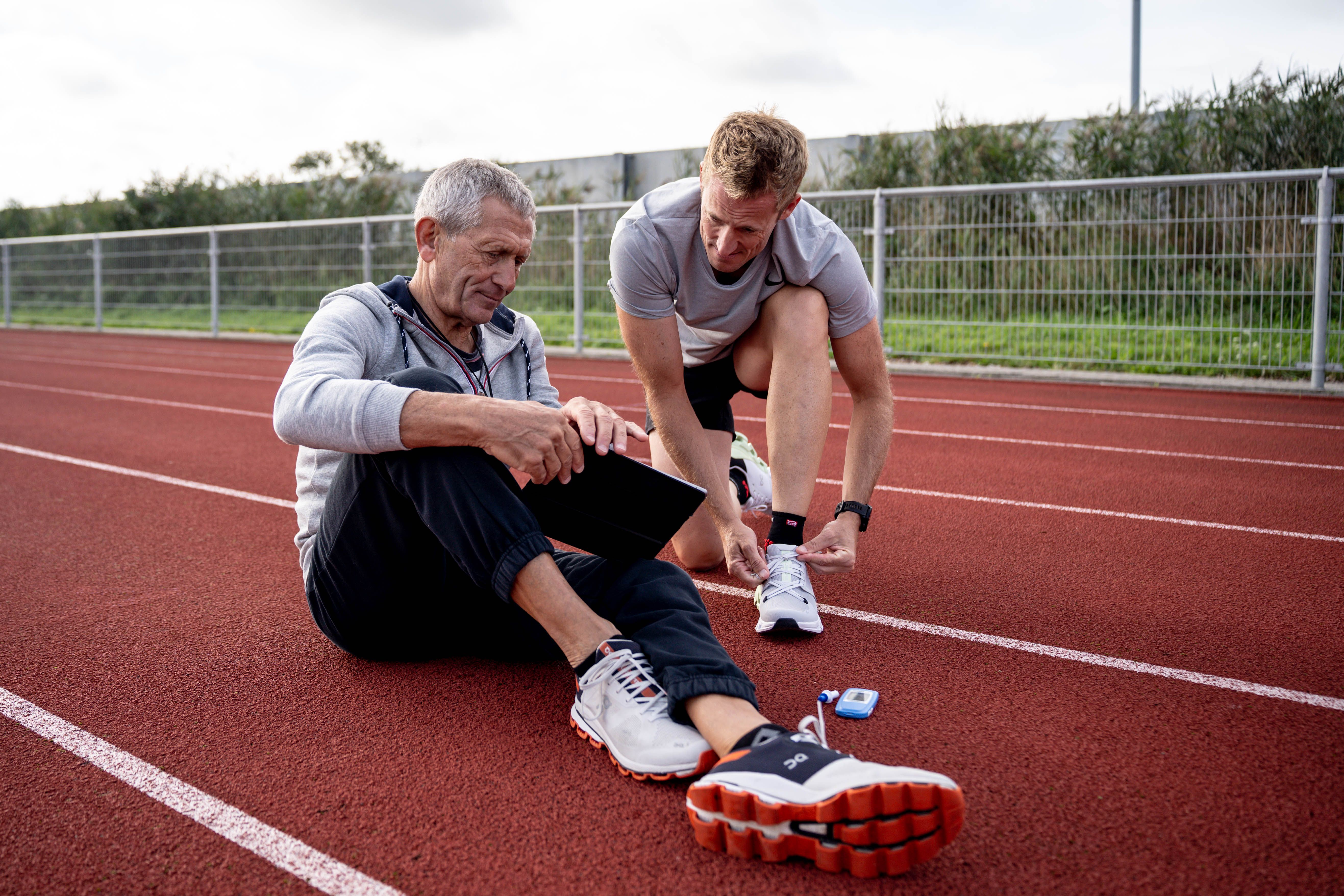
A coach can adjust your training based on your progress, lifestyle, experience and goals.
And that's where things get interesting.
So, What Does a Running Coach Actually Do?
A running coach isn't just someone standing beside you yelling:
"FASTER! FASTER! FASTER!"
If that were the job description, your overly competitive friend could do it.
A good running coach helps build a structured marathon training plan around you.
That can include:
- Weekly running schedules
- Long-run progression
- Easy and recovery runs
- Tempo and speed sessions
- Strength and mobility work
- Rest and recovery
- Race-pace guidance
- Tapering before race day
- Nutrition and hydration guidance
- Adjustments when life inevitably gets in the way
Because yes, sometimes your training plan says 10 km easy run and your calendar says work meeting, wedding, travel, zero sleep and questionable life decisions.
A coach can help you adapt instead of simply declaring the week ruined.
When Should You Consider Getting a Coach?
You don't necessarily need a coach just because you're running your first marathon.
But there are a few situations where having one can be particularly useful.
1. You're Completely New to Long-Distance Running
If your current idea of a long run is 5 km followed by three days of recovery, jumping straight into marathon training can be overwhelming.
A coach can help you build your running volume gradually and understand how your training should progress.
2. You Have a Specific Goal
Maybe your goal isn't simply:
"Finish the marathon."
Maybe you're chasing a particular finish time.
That's when training becomes much more specific.
Your weekly mileage, pacing, workouts and recovery need to work together around that goal.
A coach can help you understand what needs to happen between Day 1 and race day.
3. You Keep Getting Injured
If every attempt at increasing your mileage ends with a new ache, training harder isn't necessarily the answer.
A coach can help identify training patterns that may be contributing to the problem and modify your workload accordingly.
For medical or persistent injury concerns, though, you'll want the appropriate healthcare professional involved too.
4. You Have No Idea What You're Doing
Honestly?
This is a perfectly valid reason.
There's a lot to figure out when you're training for your first marathon.
How long should my long run be?
How fast should my easy runs be?
When should I taper?
How much should I eat during a long run?
Why does everyone suddenly care about gels?
If you're spending more time Googling your training than actually doing it, a coach can remove a lot of the guesswork.
When You Probably Don't Need One
On the other hand, coaching isn't mandatory.
You may be perfectly comfortable training independently if:
- You've already been running consistently.
- You're comfortable following a structured plan.
- You understand basic training principles.
- You have access to a supportive running community.
- Your goal is simply to finish your first marathon.
- You enjoy figuring things out yourself.
In that case, a good beginner marathon training plan, sensible progression and consistent execution may be enough.
The key word here is consistent.
A beautiful training plan sitting untouched in your Notes app isn't technically training.
We've all been there.
Coach vs. Training Plan: What's the Difference?
Think of it this way.
A training plan tells you what to do.
A coach helps you understand what to do, why you're doing it and what to change when things don't go according to plan.
For example, your training plan might say:
Tuesday: 8 km tempo run.
But what happens if you slept badly?
Or your legs are unusually heavy?
Or you've got a hectic week at work?
Or you nailed the session and are ready for a progression?
A coach can help make those decisions.
That's the biggest difference between following instructions and having individualized training guidance.
You Don't Have to Go All-In on Coaching Either
Here's something many first-time marathoners overlook:
Coaching isn't necessarily an all-or-nothing decision.
You could work with a coach for your entire marathon cycle.
Or you could get a training plan reviewed by a coach.
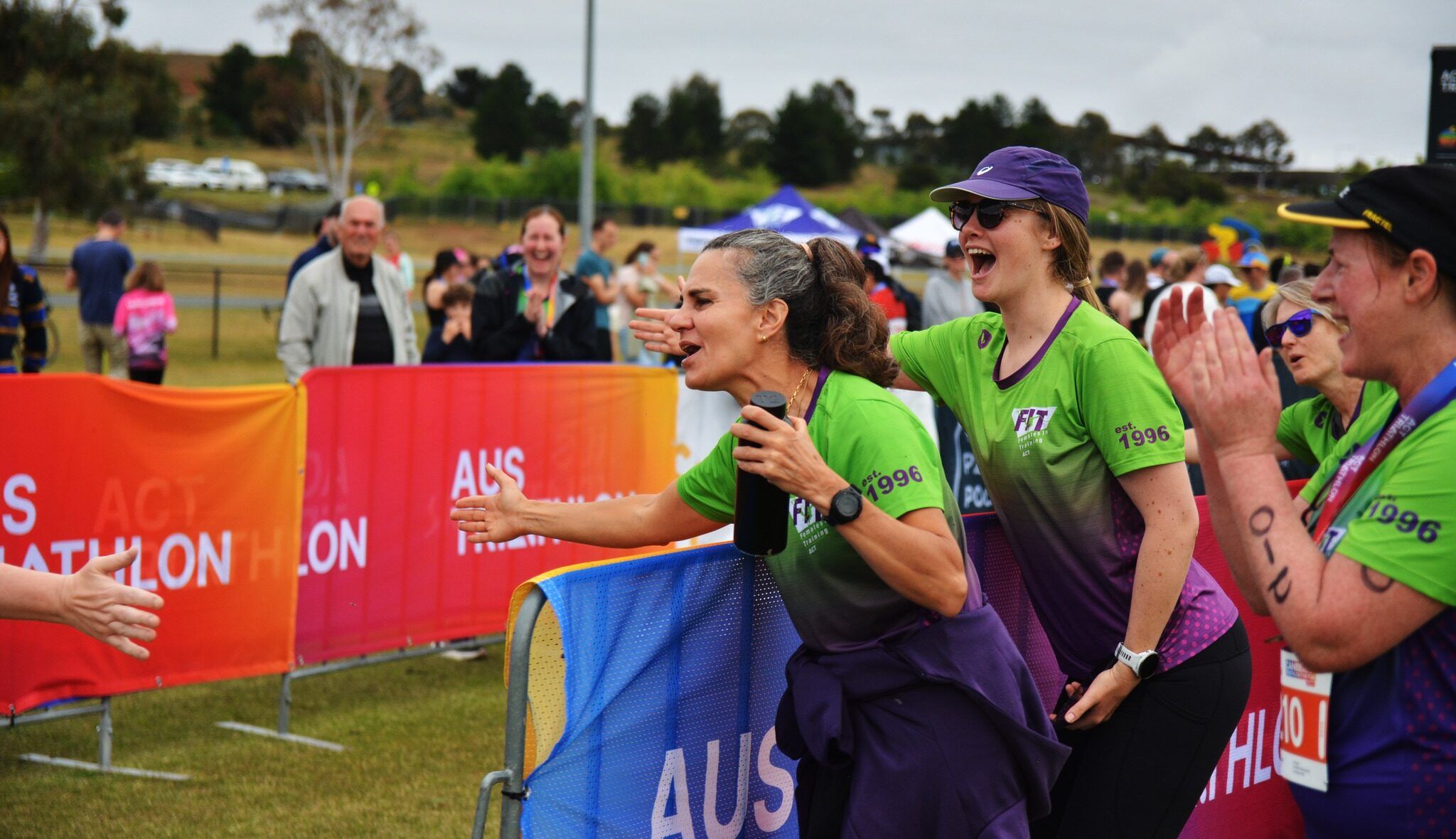
Or join a running club where experienced runners and coaches provide guidance.
Or work with a coach during the more demanding stages of your training.
There are different ways to get support depending on your experience, budget and goals.
The important thing is finding a system that you can actually stick with.
How Do You Find the Right Running Coach?
If you decide to work with a coach, don't just pick someone because their Instagram bio says:
"Elite Performance | Beast Mode | No Excuses."
Look beyond the vibes.
Consider:
Experience: Do they have experience coaching marathon runners, particularly beginners?
Approach: Do they build personalized plans or give everyone the same schedule?
Communication: Can you actually speak to them when something goes wrong?
Credentials: What coaching education, certifications or experience do they have?
Philosophy: Does their approach match your goals and lifestyle?
Community: Do they work with a running club or community that could make training more enjoyable?
Because marathon training isn't just about running more.
It's about training smarter, recovering better and staying consistent for months.
The Real Question Isn't "Do I Need a Coach?"
Maybe the better question is:
"Would having a coach make my marathon journey better?"
If you're confident building your own training, enjoy learning and have experience with structured running, you may be completely fine without one.
But if you're new to endurance training, have a specific performance goal, struggle with consistency or simply don't want to spend six months wondering whether you're doing things correctly, coaching can be incredibly valuable.
And remember, your first marathon isn't just about those 42.2 kilometers.
The real race starts weeks and months before you reach that start line.
Train well. Recover properly. Learn along the way. And find the support system that keeps you moving.
Because the goal isn't just to survive 42.2 km.
It's to reach the finish line thinking:
"Okay... when's the next one?"
Ready to Start Training?
Whether you're preparing for your first marathon, chasing a new personal best or simply trying to become a more consistent runner, the right training support can make a big difference.
Find races, training plans, coaches, discover running communities and explore your next challenge with Next Lap.
Your next start line is probably closer than you think.
Team Next Lap
Contributing author at Next Lap