
You’ve decided to run a marathon.
You've picked the race.
You've told at least three people about it.
You've bought absolutely nothing you need yet, but you've watched approximately 84 videos about running shoes.
Now comes the big question:
"Do I actually need a running coach?"
Here's the good news.
No, you don't have to hire a coach to train for a marathon.
Plenty of runners successfully train for their first marathon without one.
But there's an important little detail hiding behind that answer.
Training without a coach doesn't mean training without a plan.
If you're going to coach yourself, you need to understand what you're doing, build your training sensibly and pay attention to how your body responds.
Because 42.2 km is a pretty long way to discover that your training strategy was basically:
"We'll figure it out."
Yes, You Can Train for a Marathon on Your Own
Let's get this out of the way first.
You can absolutely prepare for a marathon without a personal running coach.
There are beginner marathon training plans, running communities, books, training apps and plenty of educational resources available to help you understand the basics.
For some runners, that is enough.
If you're reasonably consistent, enjoy learning about training and have a realistic goal, self-coached marathon training can work very well.
In fact, there can be something quite satisfying about building your own training journey.
You choose the race.
You build the routine.
You figure out what works for you.
And eventually, you stand at the start line knowing that you got yourself there.
Pretty cool.
But Don't Confuse "No Coach" With "No Structure"
This is where many first-time marathoners get themselves into trouble.
You don't necessarily need a coach.
But you do need a training structure.
A marathon training plan usually includes different types of running and recovery spread across several weeks.
You'll typically have easier runs, long runs and rest or recovery days, with training volume progressing over time before reducing as race day approaches.
The exact structure depends on your experience and goal.
But the basic idea is simple:
You gradually prepare your body for the demands of running 42.2 km.
Going from random 5Ks straight into a 30 km long run because you suddenly feel motivated is not a training philosophy.
It's a cry for help.
Your Long Run Is Not the Whole Training Plan
This is another common beginner trap.
You might think:
"If I can eventually run 30–35 km, I'll be ready for the marathon."
Not quite.
Marathon training isn't just about making your longest run longer.
You need a balance between training stress and recovery.
Easy running helps build your aerobic base.
Long runs help you become comfortable spending a long time on your feet.
Other sessions can develop aspects such as speed, endurance or running economy.
And recovery gives your body an opportunity to adapt to the training.
The magic isn't in one heroic Sunday run.
It's in months of consistent training.
You Also Need to Learn How to Run Easy
This sounds ridiculously simple.
It isn't.
A lot of newer runners make the mistake of running every training session at roughly the same effort.
Every run becomes:
"Let's see how fast I can go today."
Congratulations. You've accidentally turned your easy run into a race.
Easy running should genuinely feel easier.
Learning the difference between easy effort, moderate effort and harder workouts is an important part of marathon training.
If you're self-coached, you'll need to learn these basics rather than simply following numbers on a spreadsheet.
And yes, sometimes your easiest run of the week may feel almost suspiciously slow.
That's okay.
Your ego will recover.
Recovery Is Training Too
When you're training alone, it's easy to think more is always better.
More kilometres.
More workouts.
More effort.
More suffering.
Because surely suffering equals progress.
Not necessarily.
Your body needs time to recover and adapt to training.
Sleep, rest days, nutrition and sensible training progression all matter.
If you're constantly exhausted, struggling to complete workouts or accumulating aches, the answer isn't automatically to push harder.
Sometimes the smartest training decision is to back off.
This is one of the areas where a coach can be particularly useful because an experienced coach can help you interpret how training is going and adjust your workload when necessary.
What About Marathon Nutrition?
Then there's the fun part.
Food.
You can't simply run for several hours and hope your body figures it out.
Long marathon training runs are an opportunity to practise your race-day nutrition and hydration strategy.
That might include experimenting with carbohydrate intake, fluids and whatever products work for you.
And please don't wait until race morning to discover that the gel everyone recommended tastes like concentrated regret.
Test your strategy during training.
The same goes for breakfast, hydration and what you eat before long runs.
Your marathon isn't the day to conduct scientific experiments on your digestive system.
Where Self-Coached Training Can Get Tricky
Training alone can work.
But it does require you to make a lot of decisions.
How quickly should your weekly mileage increase?
When should you schedule harder sessions?
How much recovery do you need?
What should you do when you miss a week?
Should you train through that niggle?
How should your training change if you're travelling?
When should you taper?
What happens if your race goal changes?
If you're comfortable answering those questions and learning along the way, self-coaching can be a great experience.
If you're constantly unsure, that's when outside guidance becomes valuable.
You Don't Have to Choose Between "Solo" and "Full-Time Coach"
This is probably the most useful thing to remember.
Training support isn't binary.
You don't have to either hire a personal coach for your entire marathon build or disappear into the wilderness with a spreadsheet.
There are plenty of options in between.
A structured marathon training plan can give you the framework.
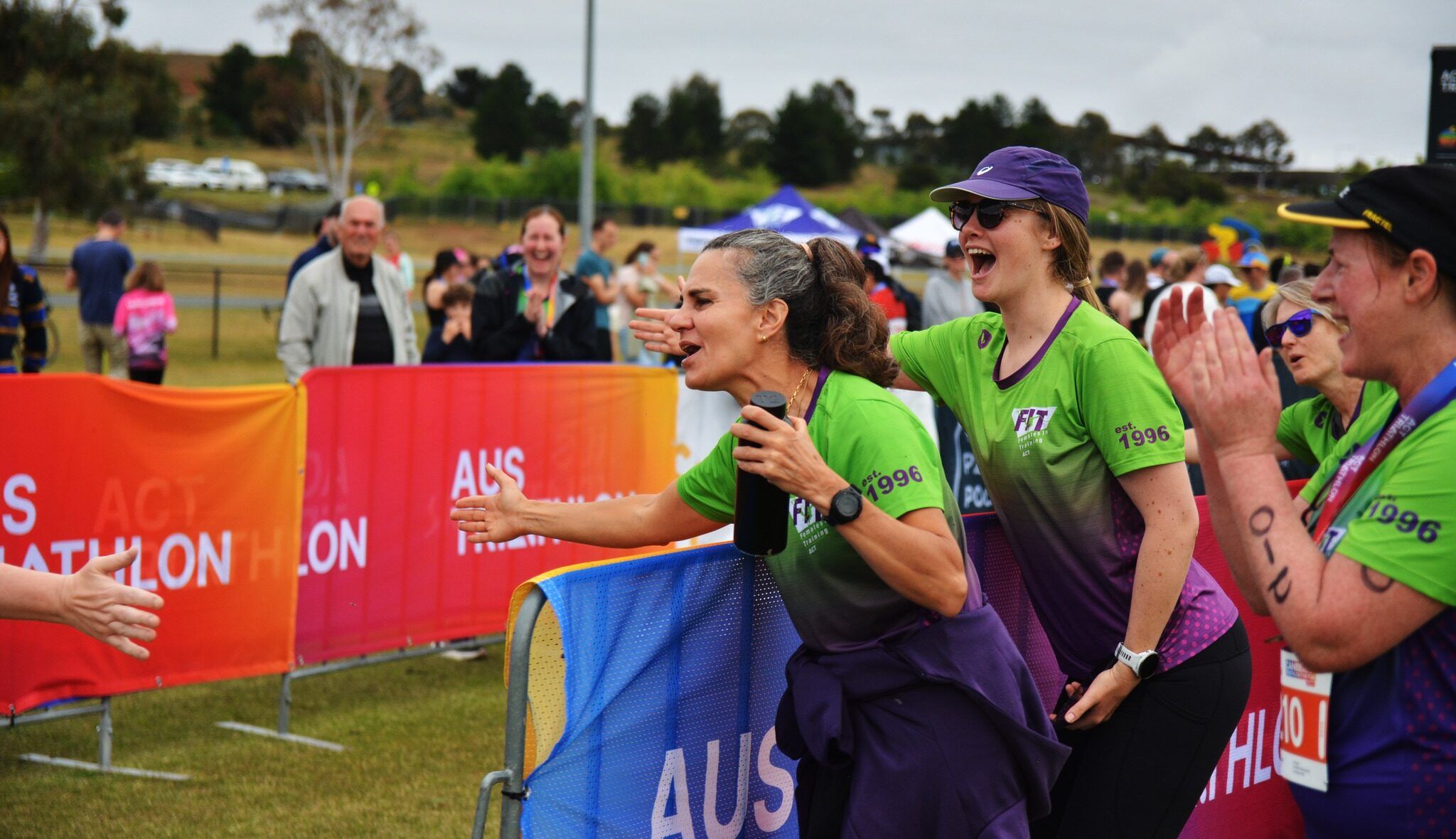
A running community can provide accountability and motivation.
A training camp can help you learn the fundamentals, understand training and prepare for a particular challenge.
And personalised coaching can provide more individual guidance when you need it.
Your level of support can change as your goals change.
When Should You Consider Getting a Coach?
A coach can become particularly useful if you're chasing a specific finish time, struggling with consistency, repeatedly getting injured, unsure how to structure your training or trying to balance marathon preparation with a complicated schedule.
It's also worth considering if you simply don't enjoy figuring out the details yourself.
There's no prize for making marathon training unnecessarily complicated.
If having someone else build your programme, analyse your progress and adjust your training means you can focus on actually running, that's a perfectly good reason to get coaching.
And What If This Is Your First Marathon?
If this is your first marathon, you don't automatically need a coach.
But you should respect the distance.
A marathon is a long-term project, not a six-week fitness challenge.
Give yourself enough time.
Build your running consistently.
Learn how pacing works.
Practise your nutrition.
Take recovery seriously.
And don't be afraid to ask experienced runners, coaches or qualified professionals for guidance when you're unsure.
Your first marathon should be a learning experience.
It doesn't have to be an experiment conducted entirely on yourself.
So, Can You Train for a Marathon Without a Coach?
Absolutely.
But successful self-coached marathon training still requires a plan, consistency, patience and a willingness to learn.
You need to understand the basics of running progression, recovery, pacing and race preparation.
You also need enough self-awareness to recognise when your current approach isn't working.
And that's really the difference.
You don't need a coach. You need good training.
A coach is one way of getting there.
A structured training plan is another.
A training camp or running community can be another.
The best option depends on your experience, goals, budget and how much support you want throughout the journey.
Because ultimately, the goal isn't to prove that you can train without a coach.
The goal is much simpler:
Show up on race day prepared to run 42.2 km.
And preferably without wondering why you decided to do this while standing at kilometre 38.
Build Your Training. Find Your Race. Run Your Next Lap.
Whether you're going completely self-coached or looking for a little more structure, the right preparation can make your marathon journey a whole lot better.
Next Lap also offers training camps and training plans to help runners and endurance athletes build smarter, more structured training routines.
And once your training is sorted, it's time to find something worth training for.
Explore upcoming races, discover running events and find your next finish line with Next Lap.
Because the best training plan eventually needs somewhere to take you.
Team Next Lap
Contributing author at Next Lap